Home / Conditions / Shoulder pain
Shoulder pain treatment in Singapore
Rotator cuff problems, frozen shoulder and shoulder arthritis.
About shoulder pain
Shoulder pain is common from middle age onwards. The rotator cuff tendons, the bursa above them, the joint capsule (in frozen shoulder) and the joint itself can all be sources of pain. Pain can also be referred from the neck. Treatment aims to control pain so you can move and strengthen the shoulder.
Symptoms
- Pain on the outer upper arm when lifting the arm
- Pain reaching overhead or behind the back
- Night pain, especially lying on the affected side
- Stiffness and loss of movement (frozen shoulder)
- Weakness lifting the arm
Common causes
- Rotator cuff tendinopathy and tears
- Subacromial bursitis
- Frozen shoulder (adhesive capsulitis)
- Shoulder osteoarthritis
- Pain referred from the neck
How it is diagnosed
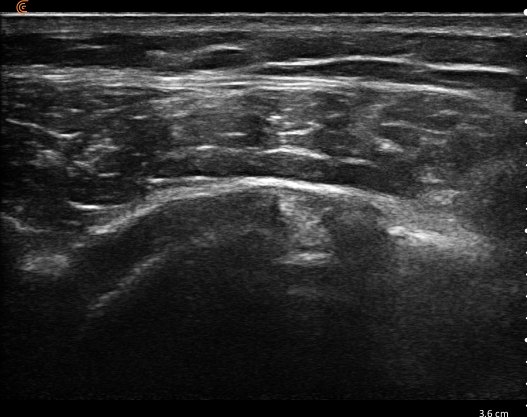
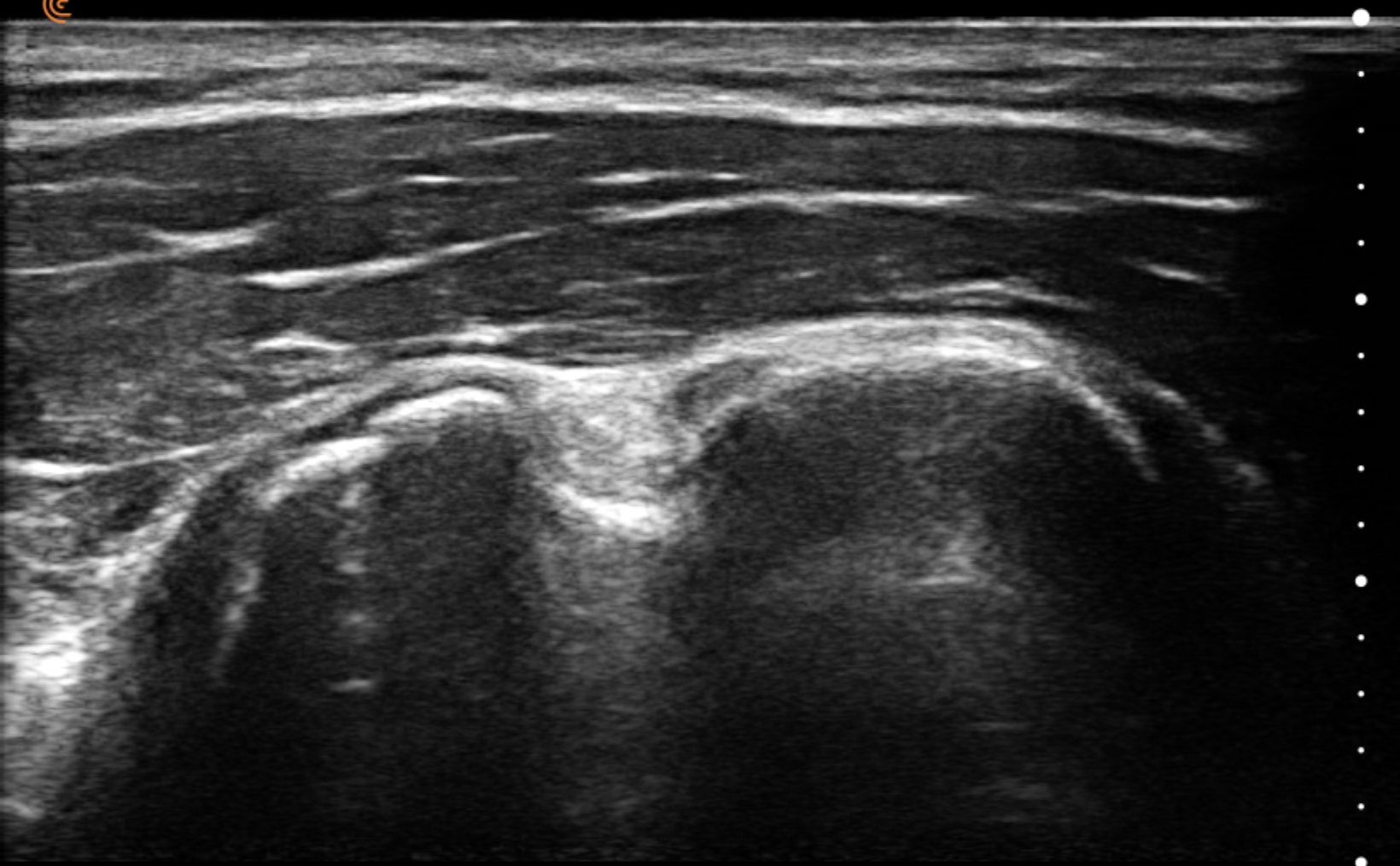
Dr Hope examines the movement and strength of your shoulder and uses ultrasound in the clinic to look at the rotator cuff tendons, biceps tendon, bursa and joint. MRI may be needed for tears.
How Dr Hope can help
Your first consultation includes a full history and examination and a review of any scans. Treatment options may include:
- Ultrasound-guided subacromial bursa injection
- Ultrasound-guided shoulder joint injection
- Hydrodilatation for frozen shoulder
- Suprascapular nerve block and pulsed radiofrequency
- Platelet-rich plasma (PRP) for selected tendon problems
- Physiotherapy and a home exercise programme
Not every option suits every patient. Dr Hope will explain the expected benefits, risks and costs of each before you decide.
What to expect on the day of a procedure
Ultrasound shows the tendons and the needle, so medicine goes exactly where it is needed, such as the bursa, the rotator interval, or around the biceps tendon. Most shoulder injections take 10 to 20 minutes in the clinic. Suprascapular nerve blocks are also done under ultrasound.
Recovery and results
You can use your arm normally afterwards, but avoid heavy lifting for a day or two. Starting physiotherapy soon after an injection makes the most of the pain-free window.
What you can do
- Keep the shoulder moving within comfortable limits
- Avoid repeated heavy overhead lifting during flare-ups
- Do your home exercises daily
Questions
Will I need shoulder surgery?
Most shoulder pain improves without surgery. A full-thickness rotator cuff tear in an active person may need a surgical opinion, and Dr Hope will refer you when that is the better option.
How many injections can I have?
Steroid injections into the same area are usually limited to a few a year. Dr Hope will discuss alternatives such as nerve blocks or PRP where suitable.