Home / Conditions / Nerve pain
Nerve pain (neuropathic pain) treatment in Singapore
Burning, shooting, electric or tingling pain from damaged or irritated nerves, including pain after shingles and diabetic nerve pain.
About nerve pain
Nerve pain (neuropathic pain) behaves differently from joint or muscle pain and often does not respond to ordinary painkillers. It can follow shingles, diabetes, surgery, injury or chemotherapy, or come from a trapped nerve. Treatment usually combines medicines that calm nerve activity with targeted procedures for specific nerves.
Symptoms
- Burning, shooting or electric shock-like pain
- Pins and needles or numbness
- Pain from things that are not normally painful, such as clothing touching the skin
- Pain that is often worse at night
Common causes
- Post-herpetic neuralgia (pain after shingles)
- Diabetic peripheral neuropathy
- Trigeminal neuralgia
- Pain after surgery or injury
- Chemotherapy-induced neuropathy
- Complex regional pain syndrome (CRPS)
How it is diagnosed
Nerve pain is recognised by the way it feels and its pattern. Dr Hope will examine sensation in the affected area. Nerve conduction studies, ultrasound of the nerve, or MRI may be arranged to find the cause.
How Dr Hope can help
Your first consultation includes a full history and examination and a review of any scans. Treatment options may include:
- Neuropathic pain medicines chosen for your situation
- Topical treatments
- Peripheral nerve blocks
- Sympathetic nerve blocks for selected conditions such as CRPS
- Pulsed radiofrequency treatment
- Advice on sleep, activity and coping strategies alongside medical treatment
Not every option suits every patient. Dr Hope will explain the expected benefits, risks and costs of each before you decide.
What to expect on the day of a procedure
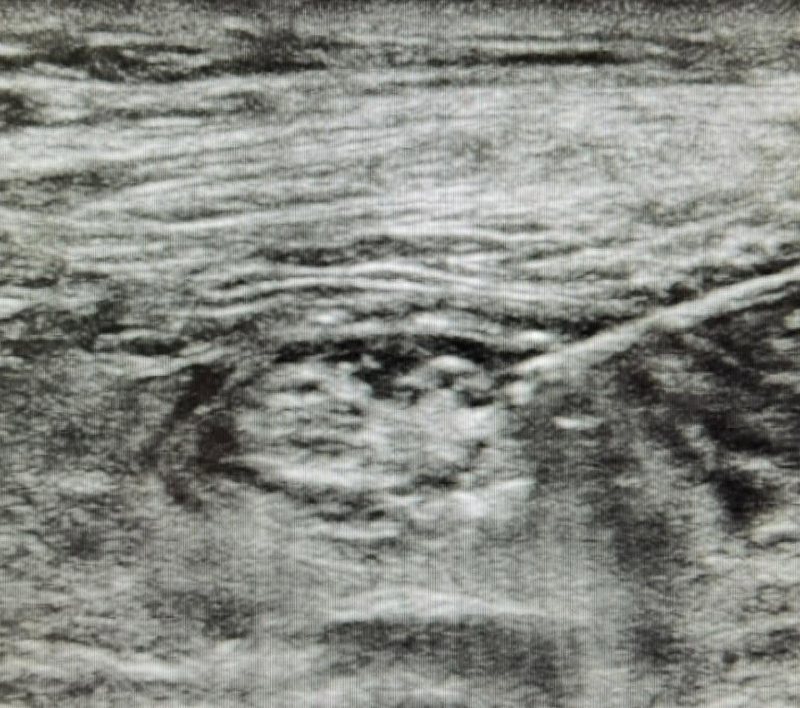
Ultrasound lets Dr Hope see the nerve and the needle in real time, so medicine can be placed right next to the nerve while avoiding blood vessels. Most nerve blocks take 10 to 20 minutes in the clinic or day surgery unit. Pulsed radiofrequency uses an electrical field to calm the nerve without damaging it.
Recovery and results
You may have some numbness in the area for a few hours. You can usually go home straight away. Relief from a nerve block can outlast the local anaesthetic, and blocks can be repeated.
What you can do
- Take nerve pain medicines regularly rather than only when pain is bad
- Keep a regular sleep routine
- Stay active within comfortable limits
Questions
Why don't regular painkillers work for my nerve pain?
Nerve pain is driven by abnormal nerve signalling. Medicines that act on nerves, rather than on inflammation, are usually more effective.
Will I need to take medicines forever?
Not always. When nerve pain settles, medicines can often be reduced gradually under supervision.