Home / Conditions / Knee pain
Knee pain treatment in Singapore
Long-term knee pain from osteoarthritis, sports injury or after knee replacement.
About knee pain
Knee osteoarthritis is the most common cause of long-term knee pain in adults over 50. Pain can also come from tendons around the knee, the kneecap, or persist after a knee replacement. Exercise and weight management are the foundation of care. When pain still limits walking or sleep, targeted injections and nerve procedures can reduce pain and help you stay active.
Symptoms
- Pain on walking, climbing stairs or getting up from a chair
- Stiffness in the morning or after sitting
- Swelling of the knee
- Clicking, grinding or giving way
- Pain at night in more advanced arthritis
Common causes
- Knee osteoarthritis
- Patellofemoral (kneecap) pain
- Patellar and quadriceps tendinopathy
- Meniscus wear
- Ongoing pain after knee replacement
How it is diagnosed
Examination and X-rays show the pattern of arthritis. Ultrasound in the clinic can show fluid in the joint (an effusion), inflamed tissue and tendon problems, and guide treatment. MRI is used when a tear or other injury is suspected.
How Dr Hope can help
Your first consultation includes a full history and examination and a review of any scans. Treatment options may include:
- Image-guided knee joint injections
- Platelet-rich plasma (PRP) for selected patients
- Genicular nerve block
- Genicular nerve radiofrequency ablation
- Medication review
- Coordination with your orthopaedic surgeon and physiotherapist
Not every option suits every patient. Dr Hope will explain the expected benefits, risks and costs of each before you decide.
What to expect on the day of a procedure
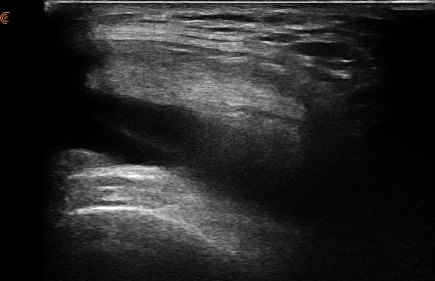
With ultrasound, Dr Hope can see fluid in the knee and drain it before injecting medicine precisely into the joint. Genicular nerve radiofrequency ablation is done with X-ray or ultrasound guidance under local anaesthetic and takes about 45 to 60 minutes. You walk out the same day.
Recovery and results
After a joint injection, rest the knee for a day and then gradually resume activity. After radiofrequency ablation, relief usually builds over two to four weeks. Strengthening the thigh muscles helps the benefit last.
What you can do
- Strengthen the thigh and hip muscles
- Choose low-impact exercise such as cycling and swimming
- Lose weight if you are overweight
- Use a walking stick in the opposite hand on bad days
Questions
I've been told I need a knee replacement but I'm not ready. Are there options?
Genicular nerve radiofrequency ablation can reduce knee pain for some people with osteoarthritis. It is a day procedure under local anaesthetic. Dr Hope can assess whether it is suitable for you.
Why drain fluid from the knee?
A tense, swollen knee is painful and stiff. Draining the fluid relieves pressure and lets the fluid be tested if needed, and makes an injection more effective.
Related articles
- Gout: sudden, severe joint pain
- Knee pain after a knee replacement
- PRP injections: who benefits and what to expect
- What is radiofrequency ablation for back and neck pain?
- Runner's knee and other common running injuries
- Tendon injuries and tendinopathy
- Knee osteoarthritis pain: options before and beyond knee replacement